
University

University of Bologna: the history, the organisation and our vision of knowledge and innovation.
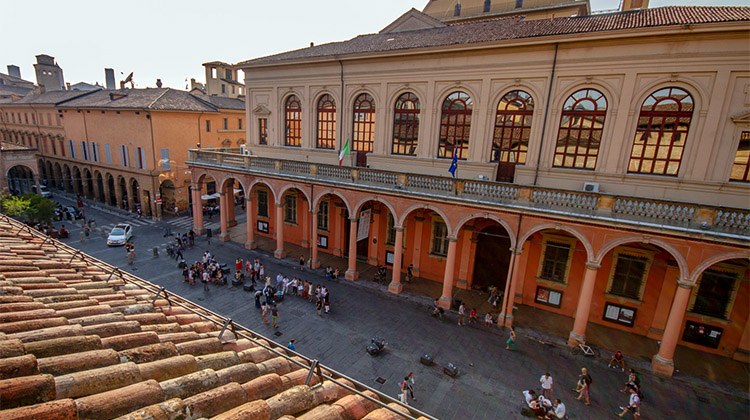
Who we are
From ancient traditions to modern-day innovation. All the information you need to know about the University, our history and the goals that guide us.
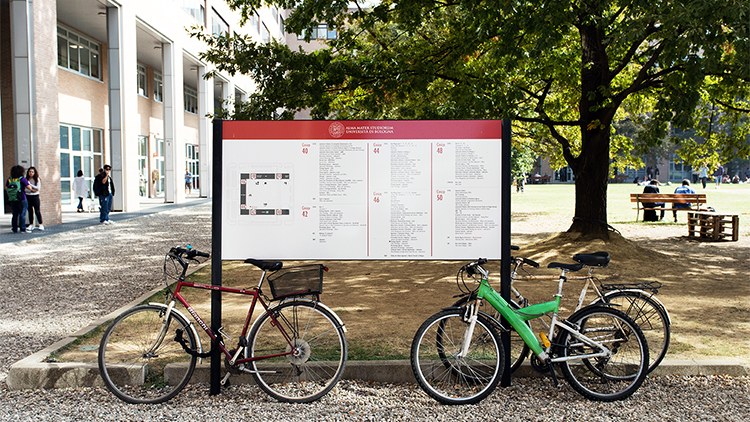
Organisations and campuses
Get to know the University's bodies, general administration, campuses and academic structures.
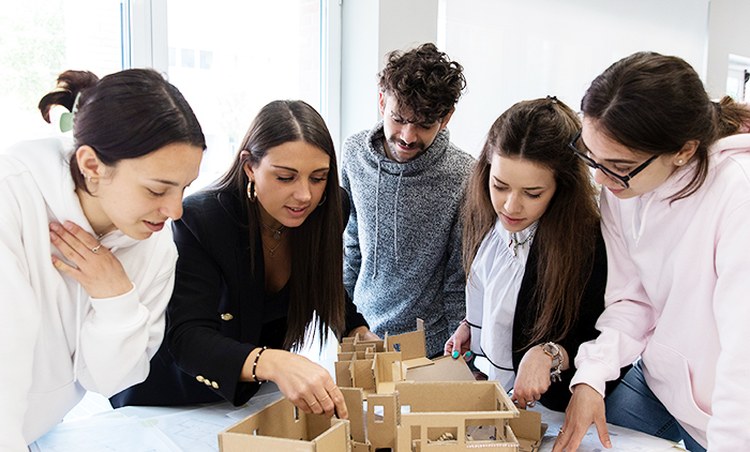
Work with us
Academic, research and other professional opportunities: join the University of Bologna and contribute to knowledge and innovation.

Contracting and sales
Cooperate with the University in the many opportunities offered to your company by tenders and contracts.
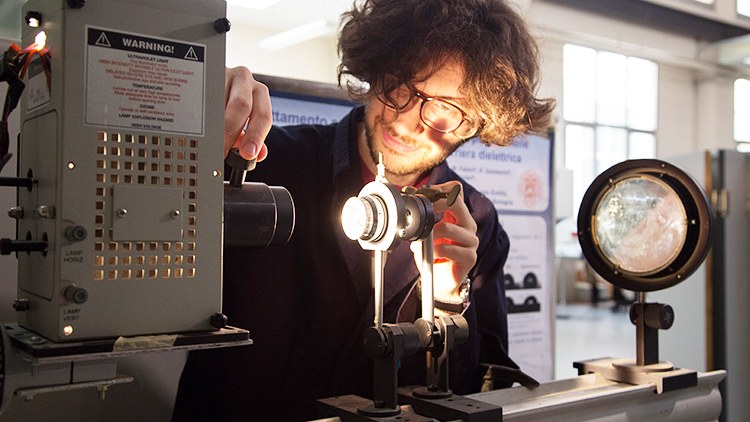
Quality assurance
Quality in training, innovative research and organisational processes is our commitment to continuous improvement.