
Home page
Closures of the administrative divisions for Liberation Day. Read more
The video shows different moments of the day of a student. Time dedicated to studying, group work, sports, and music.
Right to education
Equal opportunities for individual and social transformation, overcoming socio-economic, cultural, and personal barriers.
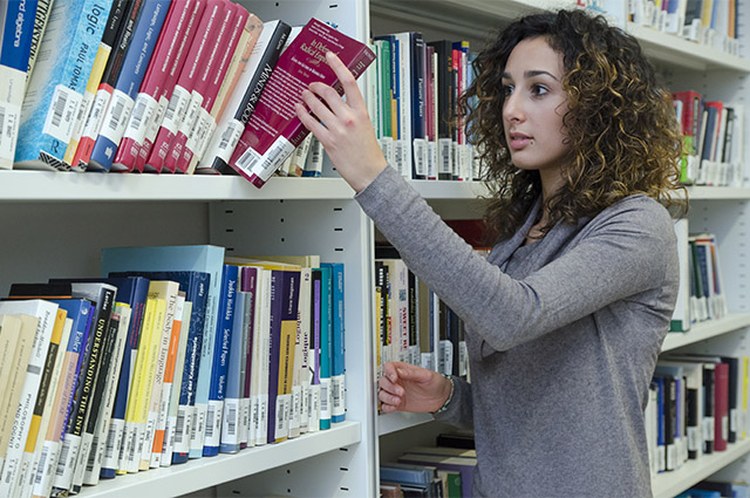
Scholarships and benefits
Studying as a possibility regardless of one’s economic situation.
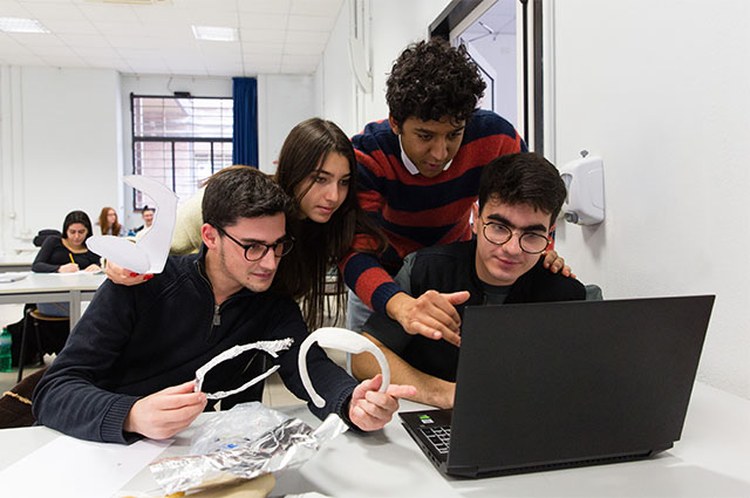
Equity, diversity, and inclusion
Valuing diversity and promoting a culture of respect.
Some numbers
Data from the 2023 Almalaurea Report on the profile and condition of university graduates.
90.5%
of graduates are fully satisfied with the path they have taken.
12.7%
more chances of finding a job for those who have had an experience abroad
75%
of people are employed one year after graduating
Voices, stories, ideas
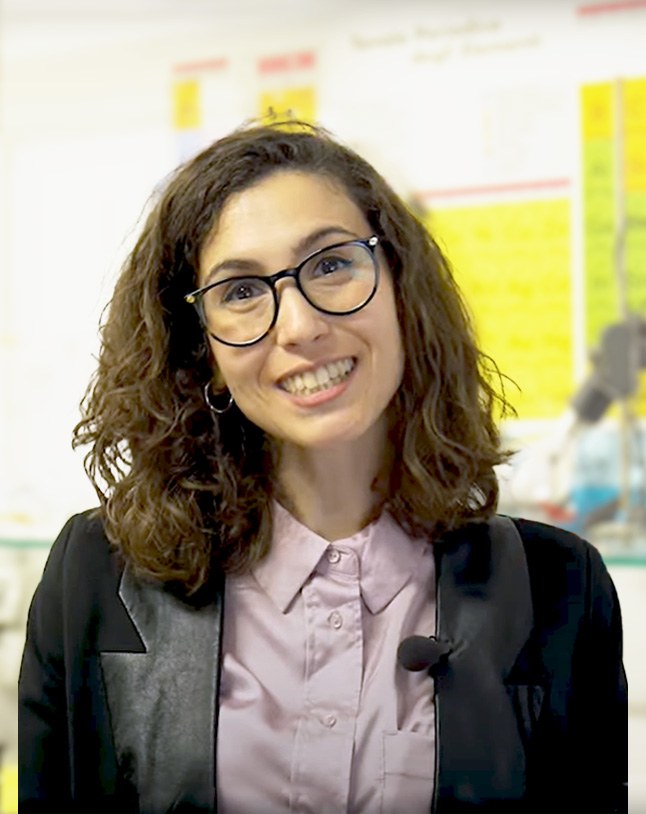
Applied biomaterials from sustainable sources
We try to encourage the use of natural materials even in advanced applications, following the principles of green chemistry.
Maria Francesca, Phd student in Chemistry
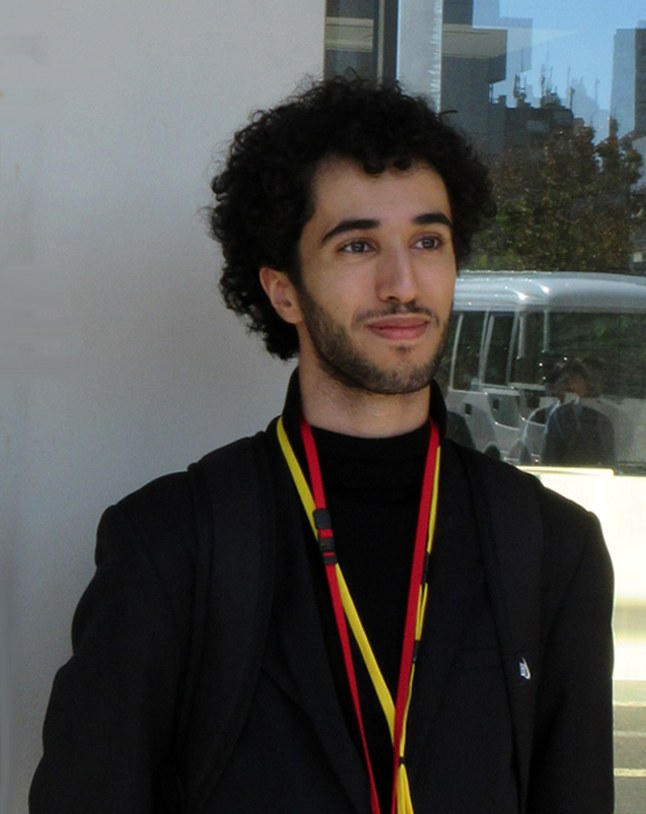
The power of dialogue
“We learn about the other person as well as about ourselves.” The words of Khali, Italian ambassador in Tokyo for the MIRAI Japan’s Friendship Ties Programme.
Khalil Zantou, student at the University of Bologna
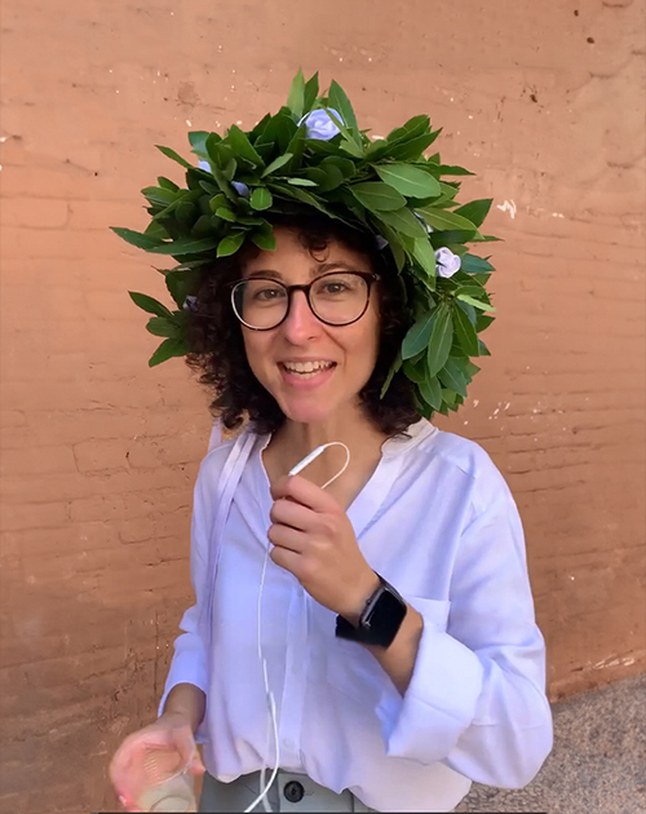
Advice for future students?
Studying with passion, commitment and living this path authentically.
Gaia, degree in Philosophical Sciences
A transforming experience
Time spaces
Cultural and artistic experiences that invite exploration and understanding of the world.
Immerse yourself in university life
Building relationships, creating connections, exploring spaces, and new interests.

Interweaving of cultures, personal growth
The possibilities to spend time in another country.
Scenarios, possibilities, perspectives
From "what happens if I don't pass the test" to many unexpected opportunities for growth and development.
Innovation starts with people
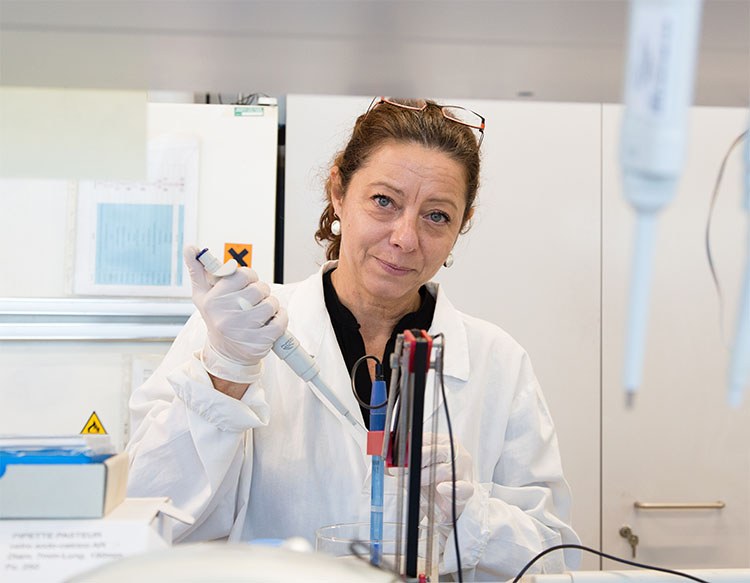
The University is the space for change
Knowledge, discoveries, and innovative research to contribute to scientific progress and have a tangible and relevant impact on people's lives.
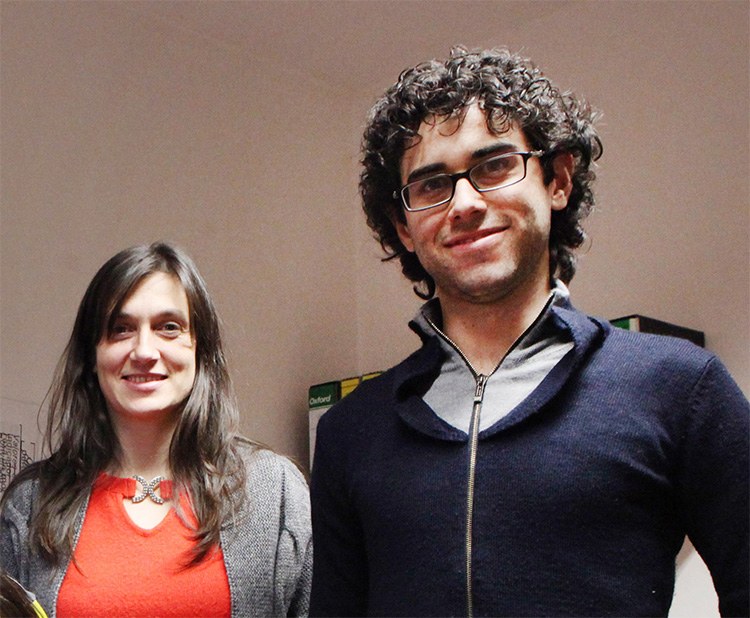
Teaching, research, knowledge
Joining the university community to contribute to the dissemination of knowledge, the creation of value, and social change.
Highlights
Unlocking the Future of Data Science - PhD webinar
Are you a graduate or researcher passionate about data science who has not resided or carried out your activities in Italy for more than one year in the last three years? Join the webinar on 15 May to discover PhD open positions.
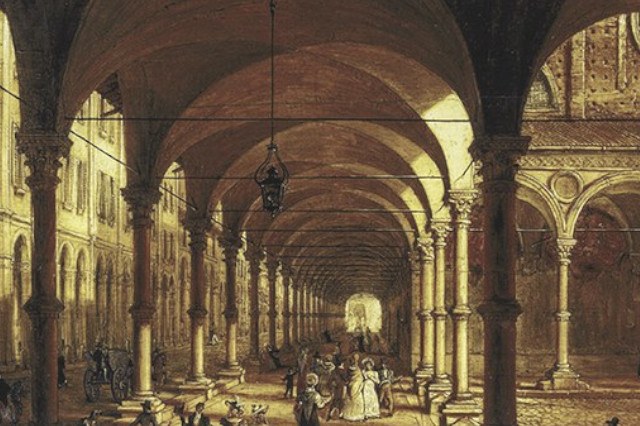
Discovering Bologna through places of worship with the events of the Zeri Foundation
The third edition of “Da che pulpito!” dedicated to the knowledge and dissemination of the city's artistic heritage gets underway.
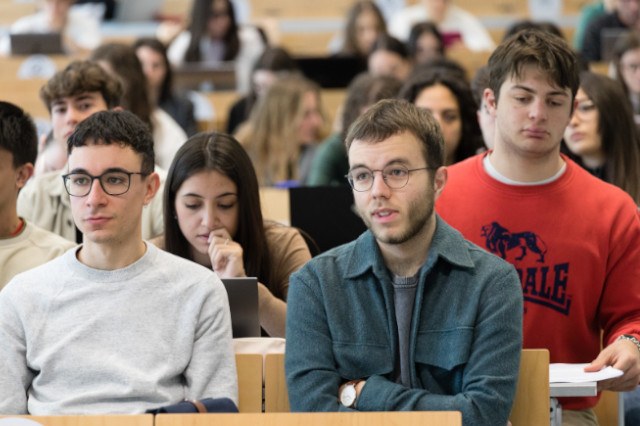
QS Ranking
The University of Bologna ranks first in Italy in 18 disciplines in QS World University Rankings that assesses the standing of universities by subject areas.
From research to society
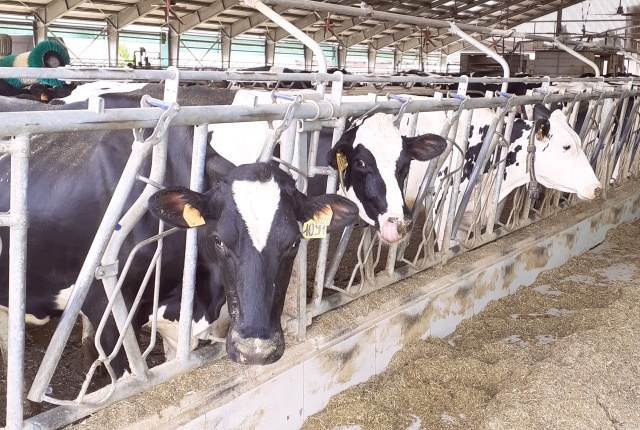
A More Sustainable Farming Through the Assistance of Artificial Intelligence
The goal of the SUS3D project is to utilise machine learning systems to assess different cattle farms, creating a new integrated model that considers both animal well-being and environmental impact.

Brand New Patented Sustainable Cosmetics
The new cosmetic products are called Sustainable Films, made of natural ingredients, without preservatives and antioxidants, with minimal packaging to dispose of. Innovation brings forth skincare products with proven effectiveness and high tolerance.
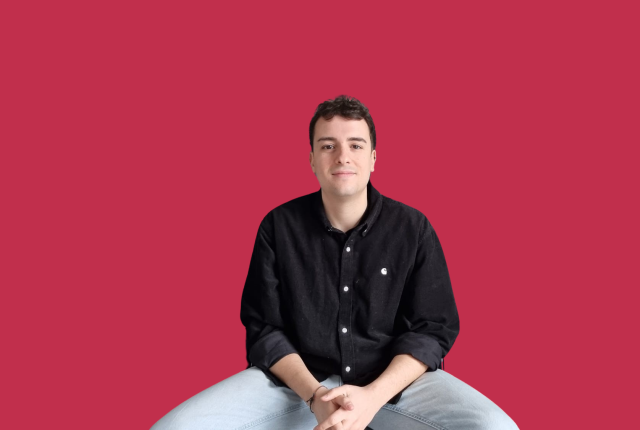
Is Gen Z More Inclusive than Other Generations?
As part of the @UniboPER/PhD Storytelling initiative, Fabio Maratia, a PhD student in Psychology, discusses the development of positive attitudes towards migrants.
The University's values

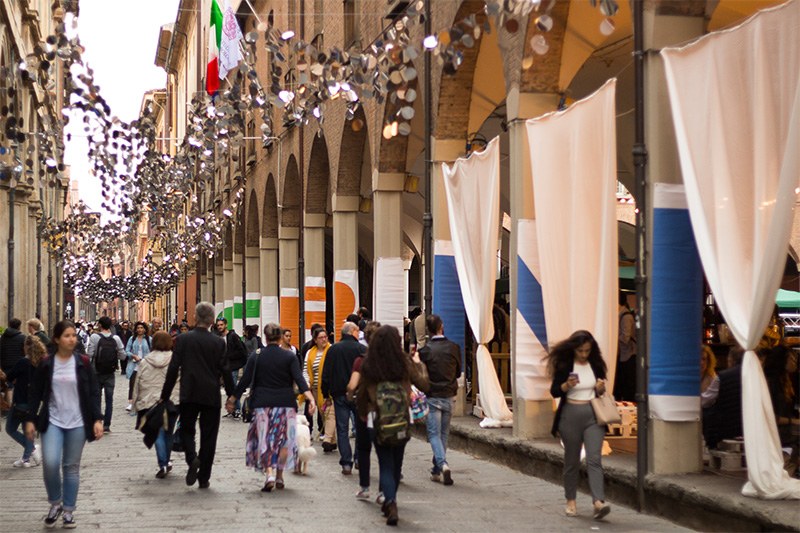
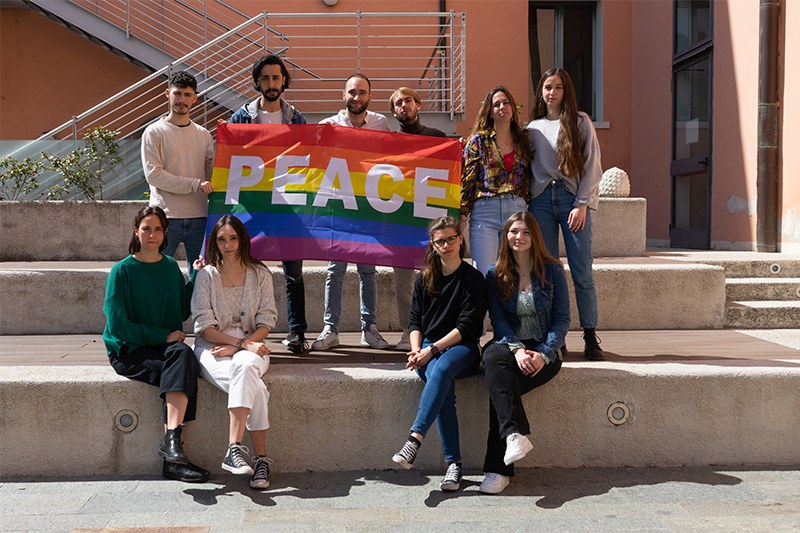
University campuses
-
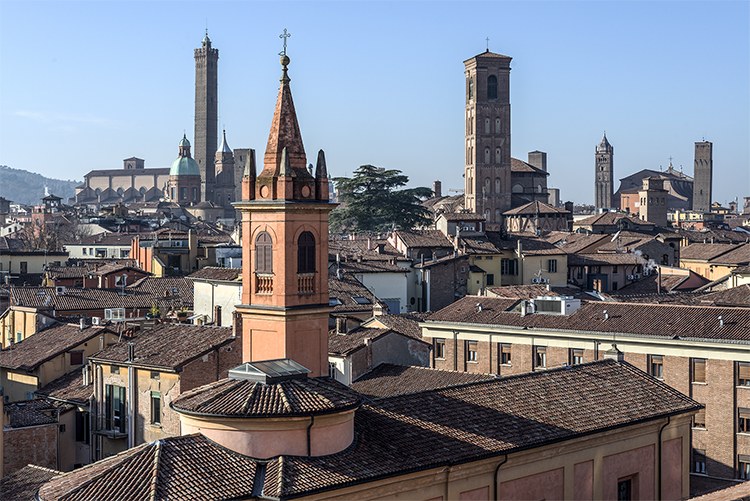
Bologna Campus
Testimonies from the past and experiences from the present intertwine in the academic facilities in Bologna.
-
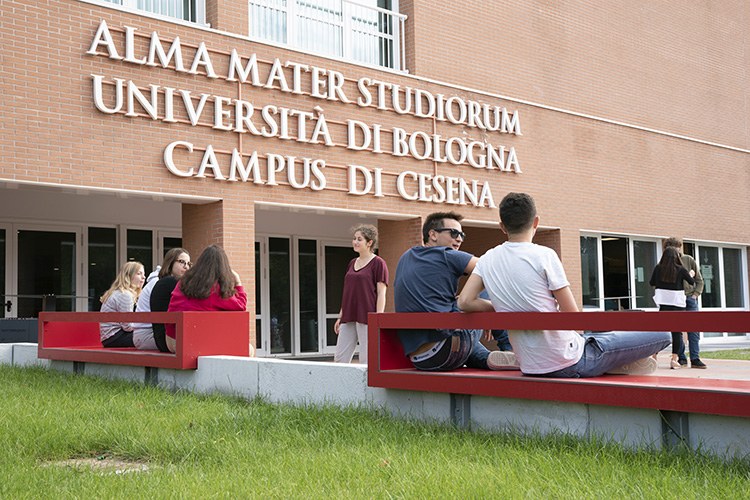
Cesena Campus
The Campus stands out for its strong link with local companies, serving as a bridge between academia and the business world.
-
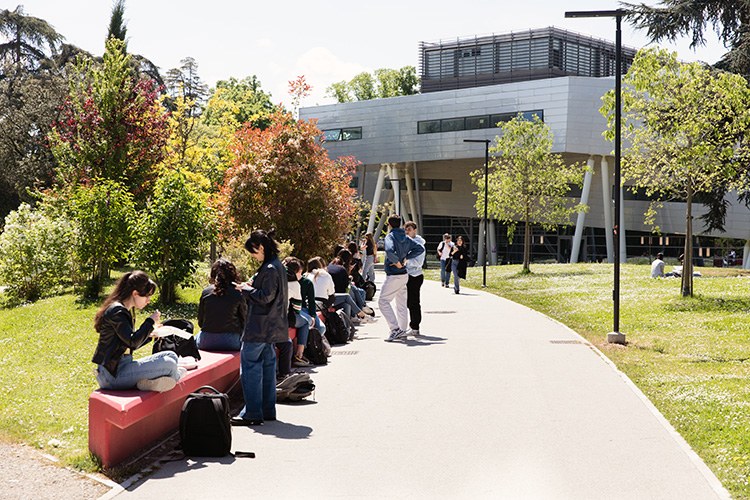
Forlì Campus
A modern and dynamic Campus with facilities and services in the heart of a liveable and accessible city.
-
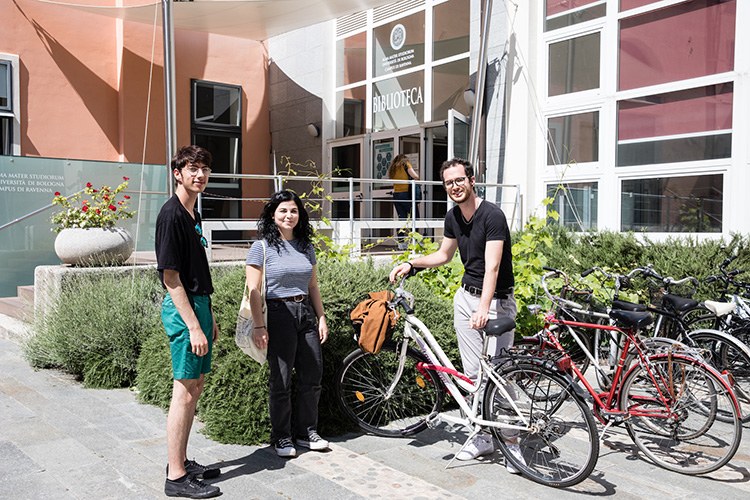
Ravenna Campus
A unique experience that allows you to connect closely with the history, art and ecosystem of a highly stimulating city.
-
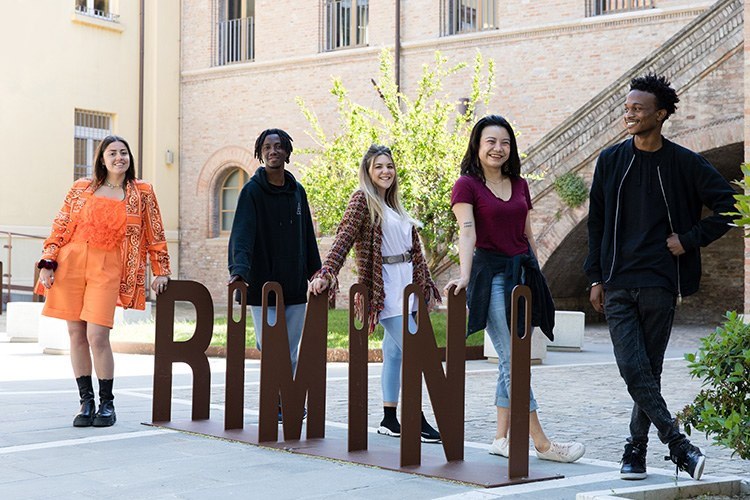
Rimini Campus
A people-focussed meeting place for cultures and ideas from all over the world.